How to Plan Reception Timeline Right
The difference between a wedding reception that feels electric and one that feels long usually comes down to one thing - timing. You can have a beautiful venue, great food, and an incredible crowd, but if the evening drags between key moments or important events feel rushed, guests notice. If you are wondering how to plan reception timeline details that feel smooth, joyful, and guest-friendly, the goal is not to pack in more. It is to create a flow that keeps energy up and awkward downtime out.
A strong reception timeline does more than tell vendors when to show up. It shapes the guest experience from the first entrance to the final song. It gives your photographer room to capture big moments, helps your caterer stay on pace, and makes sure everyone knows when to laugh, cheer, eat, and celebrate. Most importantly, it protects the feeling of the night.
How to plan reception timeline with the guest experience in mind
The biggest mistake couples make is planning the reception only around formalities. Yes, you need time for grand entrances, speeches, dinner service, cake cutting, and dancing. But guests do not experience your reception as a checklist. They experience it as momentum.
That is why the best timelines feel natural. One moment leads into the next without dead air or confusion. If cocktail hour ends, guests should know where to go next. If speeches are happening during dinner, they should be timed so they add emotion, not interrupt every bite. If there is a lull while the couple takes photos or the room resets, there should be something engaging happening in the room.
This is where entertainment and hosting matter more than many people expect. A skilled emcee can guide transitions with warmth and energy, while interactive entertainment keeps guests engaged during natural pauses in the program. For banquet-style receptions in particular, that combination can turn waiting time into one of the most memorable parts of the night.
Start with your non-negotiable moments
Before you build your timeline, decide which moments matter most to you. For some couples, the reception is all about a packed dance floor and lively music. For others, it is an elegant dinner with heartfelt speeches and a warm, intimate atmosphere. Neither is better. Your timeline should reflect your priorities.
Most receptions include a version of the same core events: guest arrival, grand entrance, first dance, meal service, speeches, cake cutting, table visits, and open dancing. Some also include games, cultural traditions, same-day edits, live performances, or a champagne tower. The more you include, the more careful the pacing needs to be.
A helpful rule is to identify your top three must-feel moments, not just must-have moments. Maybe you want your entrance to feel exciting, your speeches to feel emotional, and your dance floor to feel nonstop. Once you know the emotional shape of the evening, it becomes easier to place each activity where it belongs.
Build the timeline around dinner service
In most receptions, dinner is the anchor. Catering timing affects almost everything else, so this is usually where your schedule should begin. If food is served too late, guests get restless. If you cram too many formalities into the meal, dinner loses rhythm and the room starts to feel stop-and-go.
For a plated dinner, speeches often work best between courses or during a natural lull once most guests have been served. For a buffet, you may need more flexibility because table release timing can vary. In either case, long speeches back-to-back can slow the room down. Short, meaningful toasts usually land better than a marathon lineup.
This is also why a realistic timeline matters more than an idealized one. A reception may look neat on paper, but in real life, entrances run late, family members go missing, and sound checks take longer than expected. Build breathing room into the evening so small delays do not derail the entire celebration.
A sample flow that works for many receptions
If you are planning a four- to five-hour reception, a balanced structure often looks something like this in practice. Guests arrive and settle in, the couple makes their entrance, and the room moves into the first featured moment such as a first dance or welcome speech. Dinner begins before guests get too hungry. Toasts are spaced thoughtfully instead of stacked all at once. Cake cutting happens before the energy drops too late in the evening. Then the celebration opens up into dancing, mingling, and more relaxed interaction.
What matters is not copying a standard schedule exactly. What matters is the sequence. High-attention moments should happen while the room is still focused. Flexible moments, like table greetings or interactive entertainment, are perfect buffers that keep the atmosphere lively without demanding total silence from every guest.
Where receptions usually lose energy
Most reception slowdowns happen in three places: right after cocktail hour, during extended photo sessions, and in the gap between dinner and dancing. These transitions often feel longer than they are because guests are unsure what is happening.
The easiest fix is to give each transition a purpose. If guests are moving into the ballroom, have music, a welcoming emcee, and a clear next step. If the couple is taking a quick round of photos, give guests something enjoyable to watch or experience. If the dance floor is opening later, do not leave the room sitting in silence waiting for permission to celebrate.
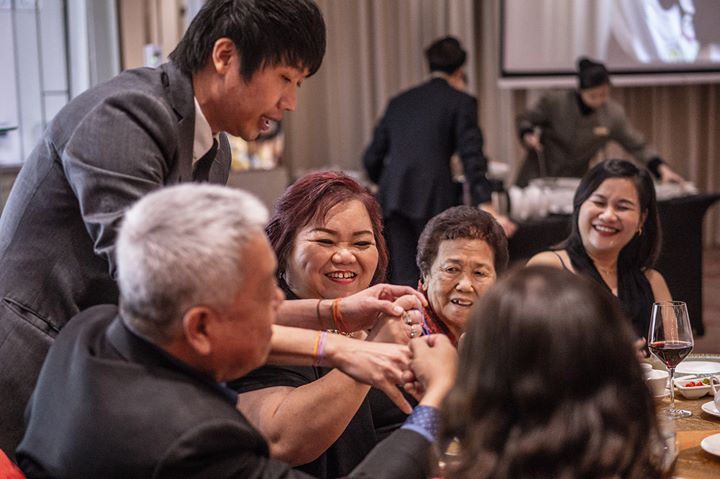
Interactive entertainment is especially effective here because it fills dead space without making the evening feel over-programmed. Close-up magic during cocktails, table-to-table entertainment between courses, or a charismatic host who keeps the room connected can transform downtime into genuine excitement. That is one reason couples and planners often look for entertainment that does more than perform. They want support for the flow of the night, not just one isolated act.
How to plan reception timeline for speeches, dances, and cake cutting
These three moments can either elevate the evening or bunch it up.
Speeches are best kept concise and placed where guests are already seated and attentive. If you have several speakers, think about who truly needs the microphone. Quality beats quantity every time. A few heartfelt toasts will create more emotional impact than six similar speeches in a row.
Special dances should happen while energy and attention are still high. A first dance right after the couple’s entrance can feel cinematic and romantic. Parent dances can follow naturally. If you push all formal dances too late, guests may be distracted or already in a different mood.
Cake cutting works well as a pivot point. It can signal that the formal portion of the evening is wrapping up and the party portion is about to begin. If your photographer is leaving earlier, plan cake cutting before they go. If you want to move straight into dancing after, that transition can feel lively and intentional.
Leave room for real moments
One of the smartest things you can do when deciding how to plan reception timeline details is to stop trying to schedule every minute. A reception is a live event, not a train schedule. Guests hug longer than expected. Grandparents need a little extra time. A spontaneous cheer breaks out after a toast. Those are not problems. Those are the moments people remember.
The key is giving your timeline enough structure to stay polished, while leaving enough flexibility for the evening to breathe. That balance is what makes a reception feel elegant rather than rigid.
If you are working with an emcee, coordinator, or entertainment team, make sure they know not just the schedule but the mood you want to create. A great host does more than announce events. They read the room, protect the pacing, and keep the celebration feeling effortless even when small changes happen behind the scenes.
For couples who want the night to feel captivating from start to finish, that kind of support is often the hidden ingredient. Magic Essential, for example, builds entertainment around guest engagement and event flow, which is exactly why the evening feels polished without losing its sparkle.
Your reception timeline should do one simple thing well: help everyone enjoy the celebration as it unfolds. When the pacing feels natural, guests stay present, the room stays warm, and your biggest moments land exactly the way they should. Plan for flow, protect the energy, and let the night create its own magical moments.


Comments