
A Smart Guide to Wedding Dinner Flow
- Martin Goh
- Jul 4
- 6 min read
The moment dinner service starts, your wedding either feels beautifully orchestrated or strangely stop-and-go. That is why a solid guide to wedding dinner flow matters so much. Guests may not notice every cue, transition, or timing decision, but they absolutely feel the difference when the night moves with energy, warmth, and ease.
For many couples, the dinner portion is where the biggest pressure sits. You want heartfelt speeches, delicious food, great photos, and a lively room. At the same time, you do not want guests waiting too long between courses, losing momentum after formalities, or wondering what happens next. A strong dinner flow keeps the celebration elegant without making it feel stiff.
Why wedding dinner flow shapes the whole celebration
A wedding dinner is not just a meal. It is the emotional center of the evening. This is where families settle in, friends reconnect, and the room shifts from ceremony mode into celebration mode. If the pacing is too slow, the atmosphere can flatten. If it is too rushed, important moments can feel squeezed or insincere.
The best wedding dinner flow creates a natural rise and release of energy. Guests are welcomed in, fed comfortably, entertained at the right moments, and guided toward the next highlight without confusion. That does not happen by accident. It comes from planning the order of events around real guest behavior, venue logistics, and the emotional rhythm of the night.
This is also where couples often underestimate transitions. A grand entrance may be exciting, and the first dance may be memorable, but what happens between those headline moments is what determines whether the dinner feels polished or patchy.
A practical guide to wedding dinner flow from start to finish
The most effective dinner programs usually begin with a clear guest arrival phase. If guests move directly from cocktail hour into the ballroom, they need a reason to settle quickly. Soft music, a warm emcee welcome, and a timely couple entrance help anchor the room. If there is a long pause before the first official moment, people naturally drift into side conversations and the energy becomes harder to pull back.
Once the couple is introduced, the opening should be brief and confident. This is not the moment for an overloaded script. A short welcome, a thank you to guests, and a cue for the first course or first toast keeps the evening moving. When the start is crisp, the whole event feels more assured.
Dinner service itself should work with the program, not fight against it. If your venue serves plated courses, speeches can often be placed between courses or after guests have begun eating. If you are hosting a buffet, allow extra time for table movement and avoid stacking emotional moments while guests are still lining up. There is no single perfect formula, but there is one rule that holds up almost every time: do not make people sit hungry through too much programming.
That is where many weddings lose their spark. A long sequence of entrances, videos, blessings, and speeches before food reaches the table can make even a beautiful ballroom feel restless. Guests become distracted, staff timing gets squeezed, and the couple ends up feeling the tension.
The ideal order depends on your guest mix
A guide to wedding dinner flow should always account for who is in the room. A wedding with older relatives, young children, and a formal banquet setup needs a different pace than a smaller modern reception with mostly friends and a shorter meal format.
If your guest list includes many elders, keeping key formalities earlier in the program can be a smart move. They are more likely to appreciate the speeches, blessings, and cake cutting before the evening gets too late. If your crowd is younger and highly social, you may want a faster opening that gets food served quickly, followed by interactive moments that bring the room back together.
Cultural expectations matter too. In Singapore and across internationally influenced weddings, banquet dinners often carry a stronger sense of structure. Guests may expect a grand march-in, speech segments, photo moments, and coordinated entertainment. That can be wonderful, but it also means every segment needs tighter control so the night feels captivating rather than crowded.
Timing the key moments without dragging the night
Most couples benefit from thinking of dinner flow in three phases: arrival and welcome, meal and meaningful moments, then celebration lift-off. Each phase should have its own purpose.
The first phase is about focus. Guests are seated, the couple is introduced, and the room understands that the celebration has officially begun. The second phase is where nourishment and emotion work together. This is where toasts, a same-day edit, table interactions, or a short performance can add sparkle without overwhelming the meal. The final phase shifts the room forward into cake cutting, dancing, or post-dinner entertainment.
The trade-off is simple. The more items you include, the more disciplined your timing must be. A packed program can feel electrifying when managed well, but heavy and fragmented when every segment runs long. If you know both families want speaking time, keep each toast concise. If you want a video, make sure it is ready to play instantly. If you are planning a performance, place it where it revives energy instead of interrupting service.
Entertainment can solve the awkward gaps
One of the most common dinner-flow problems is dead air. This happens when guests are waiting for the next course, waiting for the couple to change outfits, or waiting for AV to catch up. These gaps may only be a few minutes each, but together they can make a wedding feel uneven.
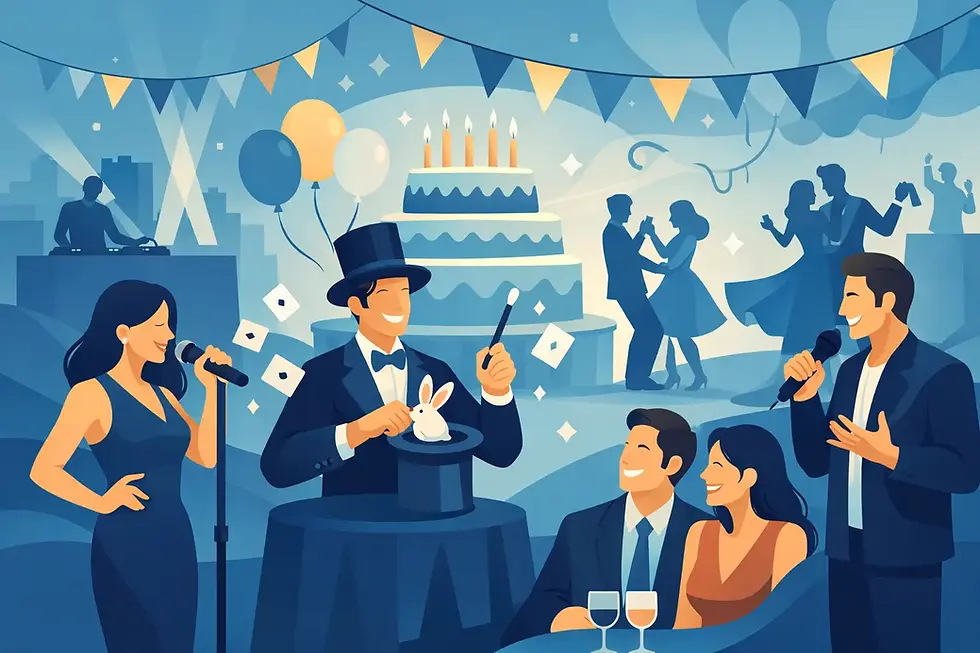
This is where interactive entertainment earns its place. Unlike stage acts that require everyone to stop and watch at one fixed time, close-up entertainment can fill transitional pockets naturally. It keeps guests smiling, talking, and emotionally present while service continues around them. Instead of silence or distraction, the room stays alive.
That is especially valuable during banquet-style dinners where not every table is served at exactly the same pace. A skilled roaming performer can bring magical moments directly to guests, creating surprise and conversation without disrupting the event. For couples who also want stronger coordination, an emcee who understands timing, audience energy, and vendor cues can make a dramatic difference.
This dual role is part of what makes a polished celebration feel effortless. When entertainment and flow management work together, guests do not experience the night as a set of separate parts. They experience one enchanting, connected celebration.
What to avoid in your wedding dinner program
The biggest mistake is overprogramming. Couples often feel pressure to include every tradition, every speech, every game, and every video. The result can be a dinner that looks full on paper but feels long in real life. More content does not always mean more impact.
Another issue is poor sequencing. Emotional moments need breathing room. If you place a heartfelt father speech immediately before loud service activity or a rushed table photo run, the meaning gets diluted. Likewise, if you stack too many formal moments back-to-back, the room can become passive.
Technical uncertainty is another hidden risk. A missing microphone, delayed slideshow, or unclear cue between kitchen and emcee can throw off the entire pace. That is why couples should not only plan the order of events but also assign clear control. Someone needs to know what happens next, who is speaking, when food is served, and what to do if timing shifts.
Building a wedding dinner flow that feels elegant and alive
The strongest dinner programs are not necessarily the most elaborate. They are the ones that respect guests, protect the couple's best moments, and keep momentum steady. That may mean trimming one speech, moving cake cutting earlier, or replacing passive filler with something more interactive.
A good test is to ask whether each segment adds emotion, energy, or clarity. If it does none of the three, it may not need to be there. Weddings feel luxurious when they are well paced. They feel memorable when guests are engaged. And they feel truly special when the room is guided with confidence from one high point to the next.
For couples who want that polished balance of structure and excitement, having the right host matters just as much as having the right timeline. A confident emcee, paired with engaging live entertainment, can transform a standard banquet into a vibrant experience that feels personal, smooth, and unforgettable. Magic Essential is built around exactly that kind of celebration.
If you are planning your reception now, do not just ask what should happen at dinner. Ask how you want the room to feel from the first welcome to the final applause, then build your flow around that feeling.


Comments